

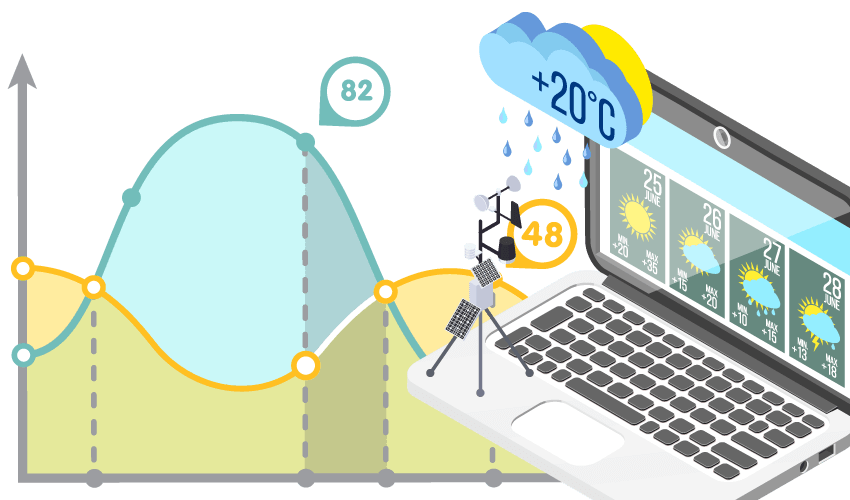
Stop Writing "Rainy Day" in DWR
You certainly know the importance of recording rainy days in the construction log, especially if the project is carried out outdoors. That is why it is common for RDOs to include fields indicating whether the morning or afternoon was rainy.
But you may not know that this is not enough.
Although this record is important, your company will benefit much more if it can rely on detailed information that includes other climate variables. Even if your construction is not subject to severe weather, it is still affected by other factors such as temperature or wind gusts. Therefore, it is necessary to go beyond simply recording rainy days.
You must go beyond the simple Rainy day vs. Good weather
In Brazil, construction contracts usually consider the negative effects of adverse weather conditions based on a single variable: rain.
However, https://www.climate.gov/news-features/climate-and-climate-constructiona 2017 study conducted by NOAA (National Oceanic and Atmospheric Administration) considers three weather events to be impactful in construction projects: temperature, rain, and wind.
Temperature
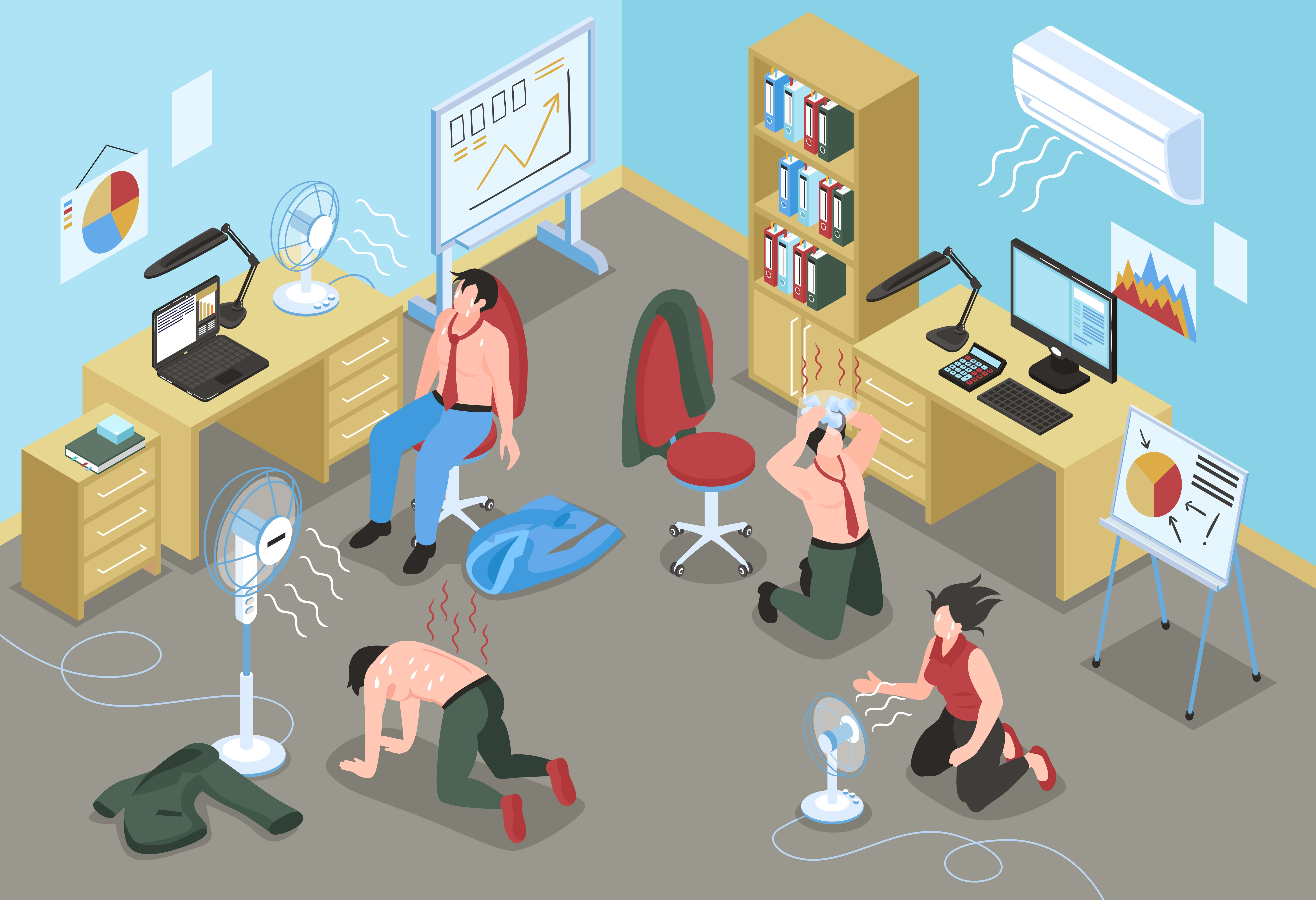
The WMO climate report from 2020 shows that many parts of Brazil recorded the highest temperatures on record.
In some capitals in northeastern Brazil, due to union agreements, temperatures above a certain threshold already require work stoppages.
Excessive heat, large amounts of dust on dry construction sites, absenteeism and turnover, together with the time spent complying with health and safety procedures introduced to deal with heat effects, impact productivity and lead to delays.
Wind
Strong winds affect materials, workforce, and equipment through restrictions and protective measures related to construction work.
For example, the inability to work on scaffolding during strong winds or electrical storms.
Wind also affects activities that depend on lifting operations. Wind speeds above 60 km/h usually halt or even cancel these operations.

Rain
Heavy rainfall destabilizes soils, turning them into mud and making earthmoving work difficult or temporarily impossible, for example.
The use of tracked vehicles instead of wheeled ones to overcome muddy conditions is usually slower and more expensive.
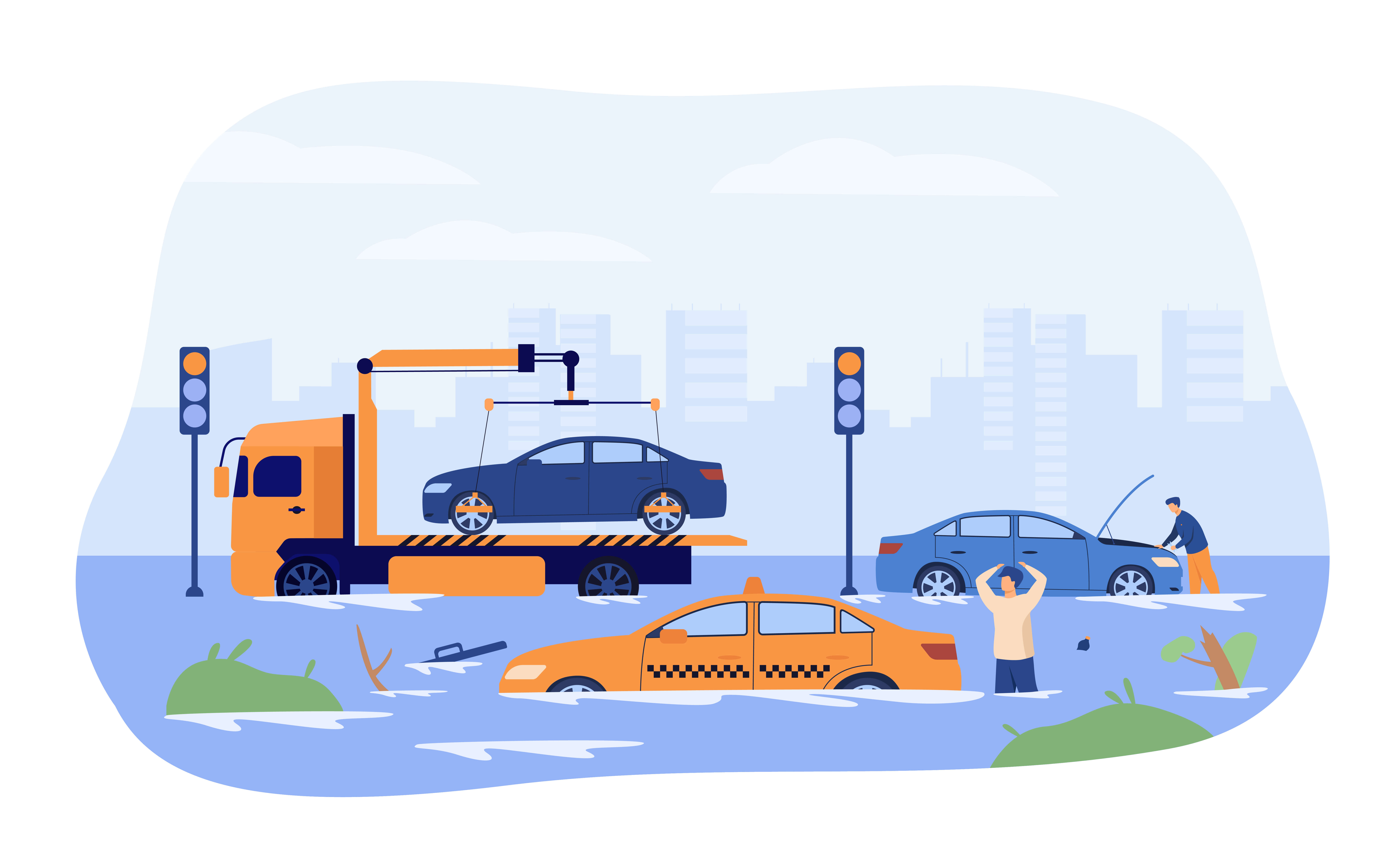
Intense rainfall can also lead to flooding at construction sites or access problems.
Each of these factors can reduce productivity or make certain tasks on the critical path unfeasible, affecting the project schedule, overall costs, or the quality of the work performed (in addition to impacting logistics and the supply chain).
How contracts are dealing with this
Although construction contracts provide mechanisms to address weather events in terms of time and cost, they still leave important details to be agreed upon between the parties, based on the specific occurrences of each project.
In addition, losses resulting from excessive temperatures or wind gusts have not always been taken into account.
On the other hand, climate risks can only be effectively managed through direct measurement of weather conditions.
However, to be useful in construction management, a climate monitoring system must use reliable data, preferably in an automated way. This is especially useful when a missed deadline needs to be justified to the owner.
In practice...
Climate monitoring at a construction site requires observing real-time forecasts, preferably with access to historical data that allows comparisons. Several websites can serve as data sources:
INMET (National Institute of Meteorology – Brazil)
INPE (National Institute for Space Research)
ANA (National Water and Basic Sanitation Agency)
CEMADEN (National Center for Monitoring and Early Warning of Natural Disasters)
Tomorrow
SOMAR Meteorology
You may also want to invest a bit more and acquire a small-scale weather station. In Brazil, there are several manufacturers, and some of them sell their own equipment at affordable prices, such as WRF or Clima e Ambiente.
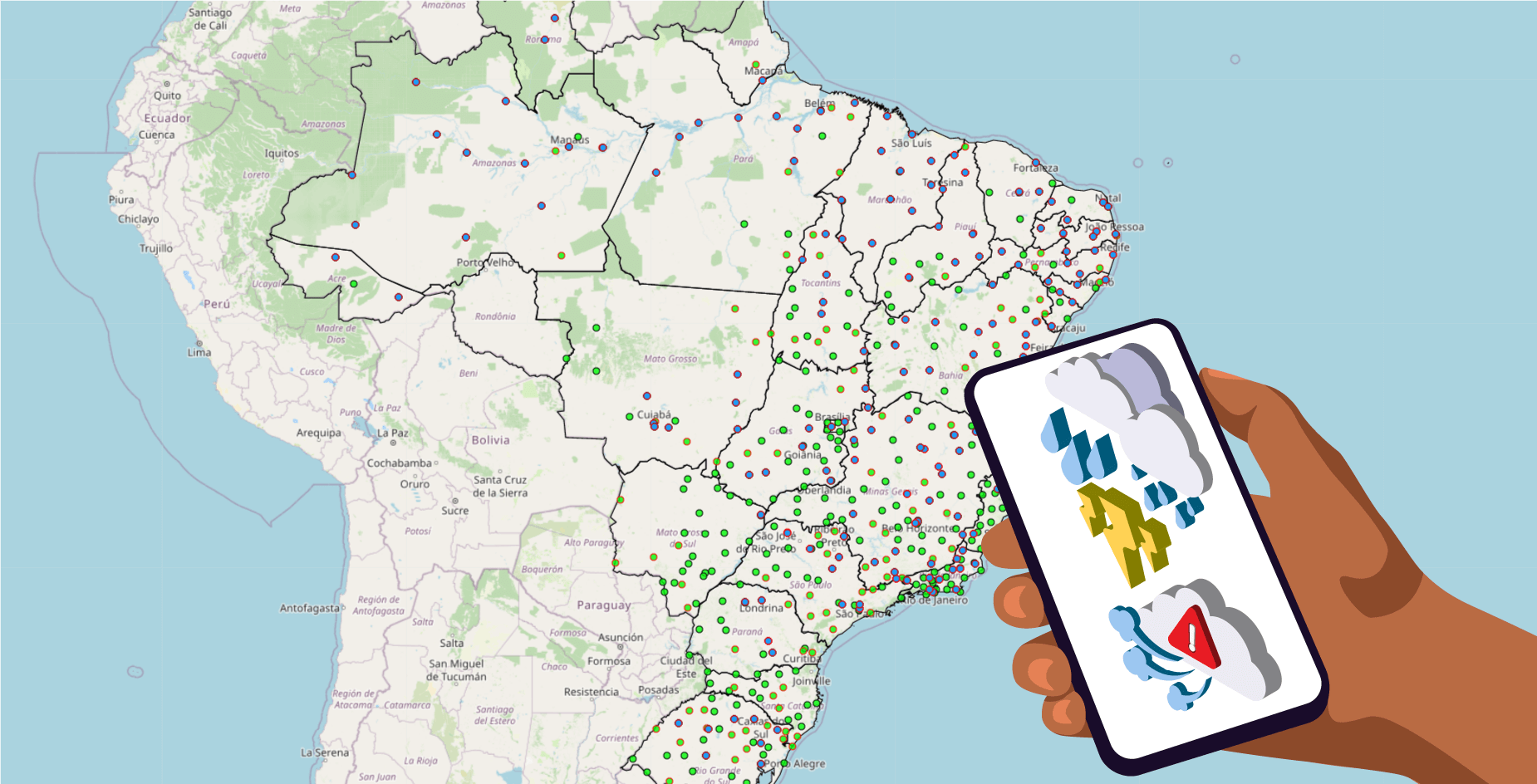
At RDOWEB, we use climate monitoring through reliable sources such as Brazil’s National Institute of Meteorology (INMET), weather stations installed on site, or integrations with meteorology companies such as ClimaTempo.